
How to care for a new tattoo: a week by week routine
Tattoo AI ·
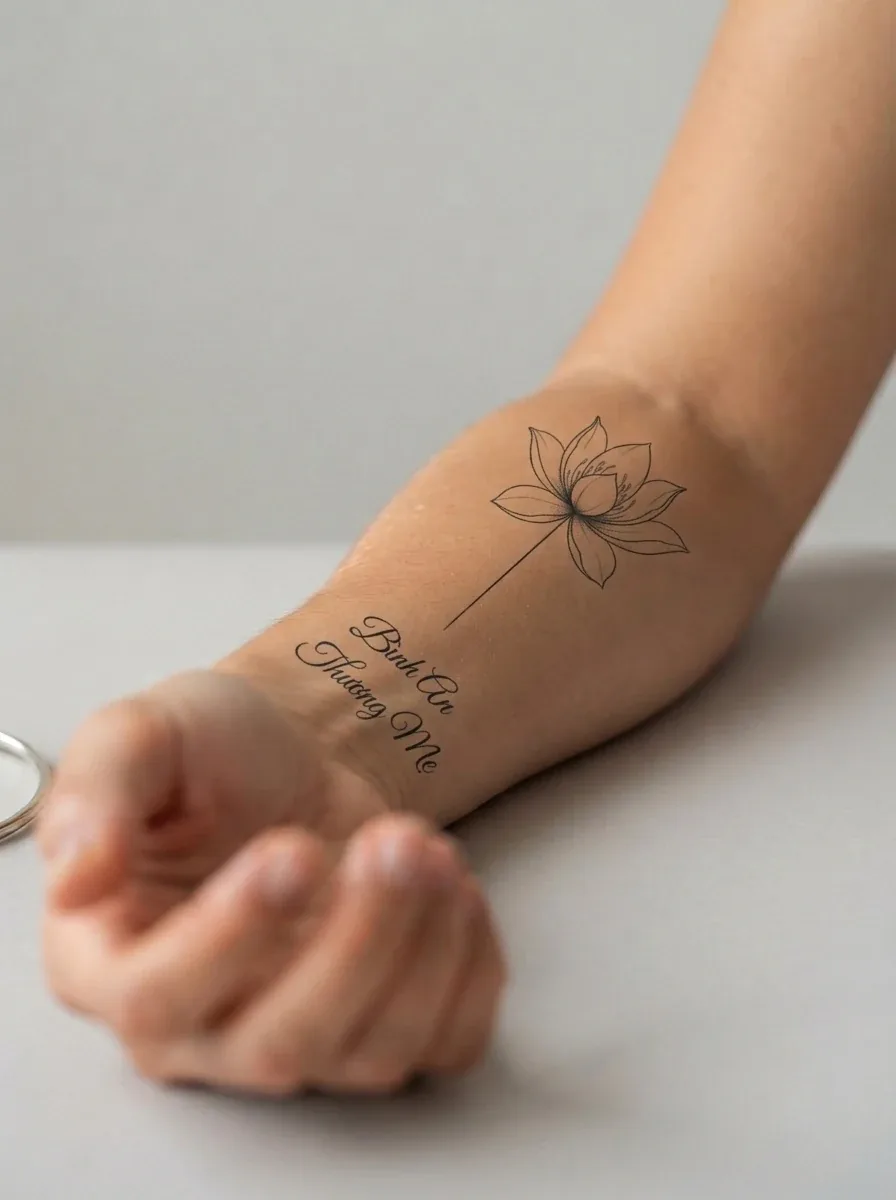
A tattoo that looked perfect in the studio can fade, blur or get infected with poor aftercare. The top layer of skin usually heals in 2 to 4 weeks, deeper layers take a few months. The routine below is common advice from many artists. If your artist gives you different instructions, follow theirs.
Day one
- Keep the wrap on as long as your artist says. A regular bandage usually stays a few hours. A clear adhesive film (second skin) can often stay on for a few days.
- Wash your hands before touching the tattoo.
- Wash gently with lukewarm water and a mild, fragrance-free soap. Use your fingertips, not a washcloth.
- Pat dry with a clean paper towel and let it air dry for a few minutes.
- Apply a very thin layer of fragrance-free lotion or the ointment your artist recommends. Too much suffocates the skin and slows healing.
Week one: a little swelling, oozing, then drying
Some redness, warmth and a bit of plasma mixed with ink during the first 1 to 3 days is normal. Wash gently 2 to 3 times a day and moisturize lightly after each wash. Sleep on clean sheets and wear loose, soft clothing.
Weeks two to four: peeling and itching
The tattoo will flake like a sunburn and can be very itchy. Do not pick, scratch or peel, you can pull ink out and leave patchy spots. Tap it lightly or add a little lotion instead. The tattoo may look cloudy during this phase. That is new skin and it clears up over the following weeks.
Avoid for at least 2 to 4 weeks
- Soaking: pools, the sea, baths, saunas. Quick showers are fine.
- Direct sun and tanning. Once healed, use sunscreen to keep the colors sharp.
- Heavy sweating or movements that stretch or rub the area.
- Tight clothing or accessories rubbing the tattoo.
- Products with alcohol or fragrance, and home remedies applied to the wound.
When to see a doctor
See a doctor if after a few days the area gets more red, swollen or painful, if there is pus or red streaks spreading, or if you have a fever or chills. A lasting rash or bumps in colored areas can be an ink allergy. Do not try to treat it at home.
After it heals
Moisturize regularly and always use sunscreen on your tattoo. Many studios offer a free touch-up within the first few months if some areas healed unevenly.
This article is general information and does not replace advice from your doctor or your artist.
Want to see your idea first? Create your tattoo with Tattoo AI, get a few options in under a minute, then bring your favorite to your artist.